Why Companies Use Group Workouts for Team Energy and Morale
Workplace wellness is not only about reducing sick days or offering benefits on paper. It is also about how employees feel during the week. Long meetings, deadlines, screen fatigue, and desk-bound routines can reduce energy. Over time, that can affect morale. Companies are increasingly looking for practical ways to help teams feel more active, connected, and engaged.
For organizations considering workout classes, group fitness can be a useful wellness tool. It gives employees a shared activity outside normal work tasks. The session does not need to be competitive or extreme. When planned well, a group workout can improve energy, encourage movement, and create a healthier team rhythm.
Why Team Energy Matters
A team can meet every target and still feel drained. Energy affects communication, creativity, patience, and motivation. When employees feel physically tired and mentally overloaded, workplace culture can suffer.
Group workouts give teams a chance to reset. Movement changes the mood of the day. It creates a break from screens and brings people into a shared physical activity.
This can help employees feel more present and connected.
Group Fitness Creates Shared Experience
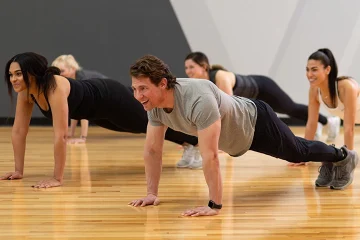
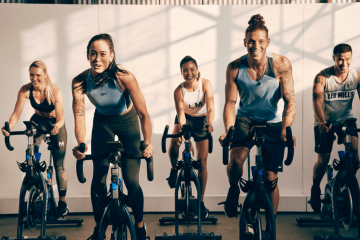
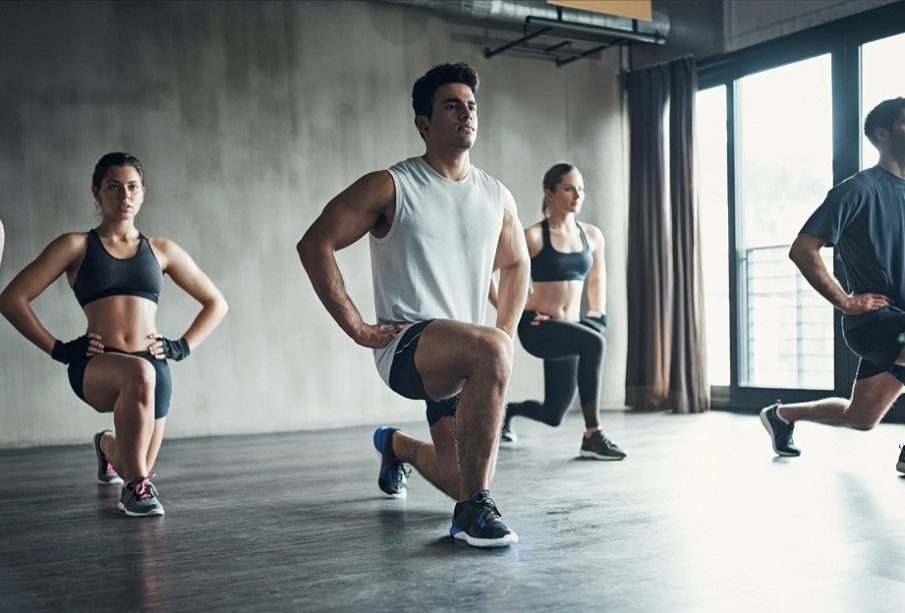
Teams often bond through meetings, lunches, or company events. Fitness adds a different kind of shared experience. People move together, follow the same instructor, and complete the same session.
This can create a sense of unity without needing forced conversation.
A group workout is especially useful because hierarchy often softens during exercise. Managers and employees participate in the same room, working at their own levels.
Movement Breaks Reduce Workday Stiffness
Office work keeps people seated for long periods. This can create stiffness in the hips, back, shoulders, and neck. A group workout provides a structured way to counter this.
The class may include mobility, strength, cardio, or stretching. Even a moderate session can help employees feel less physically stuck.
Companies that encourage movement show that they understand the physical reality of desk-based work.
Group Workouts Should Be Inclusive
Workplace fitness should never feel like a test. Employees have different fitness levels, ages, confidence levels, and health backgrounds. A good company workout should be inclusive and scalable.
This means the instructor should offer modifications and avoid language that shames people. The class should focus on movement, energy, and wellbeing, not weight loss or appearance.
Inclusive fitness creates better morale because more people feel welcome.
Not Every Corporate Workout Needs to Be Intense
Some teams may enjoy high-energy sessions, but not every group needs a hard workout. A lunchtime mobility class, yoga session, light strength workout, or beginner-friendly cardio class can be just as useful.
The right format depends on the team.
If employees are already stressed, a calmer class may be better. If the team wants energy, a more upbeat class may work.
Wellness Benefits Improve Employer Perception
Employees notice when companies invest in practical wellbeing. A group fitness program can signal that the organization values health beyond productivity. This can support employer branding and internal culture.
However, fitness should not be used to cover up unrealistic workloads. It works best when part of a broader wellness culture that includes reasonable expectations, supportive management, and respect for personal time.
Group Workouts Can Support Remote or Hybrid Teams
Hybrid work can reduce casual connection. Employees may not see each other daily. A scheduled group workout can create a shared touchpoint. It can be organized near the office, during wellness days, or as part of team events.
For remote teams meeting in person occasionally, a group class can be a refreshing alternative to another seated activity.
It gives the team a memory beyond meeting rooms.
Leadership Participation Helps
When leaders participate, employees may feel more comfortable joining. Leadership involvement shows that wellness is not just a message sent by HR. It is part of the culture.
Leaders should participate in a relaxed way, not competitively. The goal is to normalize movement, not show off performance.
This can make the workout feel more approachable.
Group Fitness Can Improve Accountability
Employees may be more likely to attend when colleagues are involved. A shared calendar invite, team booking, or wellness challenge can create friendly accountability.
This should remain positive. Participation should be encouraged, not forced.
The best team wellness programs respect personal choice.
Choosing the Right Time
Timing matters. Early mornings may not work for everyone. Lunch sessions may be practical if facilities are nearby. After-work sessions may appeal to some teams but conflict with family responsibilities for others.
Companies should ask employees what timing works before scheduling sessions.
A good wellness activity should fit the team’s real life.
Food and Recovery Matter Too
If a company organizes group workouts, it should consider what happens around the session. Employees may need time to change, shower, hydrate, and eat afterward. A rushed workout squeezed between meetings may create stress instead of reducing it.
Practical planning improves the experience.
Wellness should feel supportive from start to finish.
Measuring Morale Impact
Companies can collect simple feedback after group workouts. Did employees enjoy the session? Was the intensity suitable? Was the timing practical? Would they attend again?
This feedback helps improve future sessions.
The goal is not just attendance. The goal is positive experience.
Making Group Workouts Part of a Wellness Strategy
Group workouts work best when they are not one-off stunts. They can be part of a larger program that includes movement breaks, ergonomic awareness, mental health support, nutrition education, and flexible policies.
Fitness is one piece of employee wellbeing.
For companies comparing fitness partnerships, True Fitness Singapore may be relevant when looking for structured group fitness options that support team energy, morale, and workplace wellness.
FAQ
Why do companies organize group workouts?
They can support employee energy, movement, morale, team connection, and workplace wellness culture.
Should corporate fitness sessions be intense?
Not always. The class should match employee fitness levels and workplace goals. Inclusive formats often work best.
Can group workouts improve team morale?
They can help by creating shared experience, movement, and positive energy outside normal work tasks.
Should participation be mandatory?
No. Fitness participation should be optional and supportive, not forced.