
Commodities Trading in Emerging Markets: High-Risk, High-Reward Opportunities
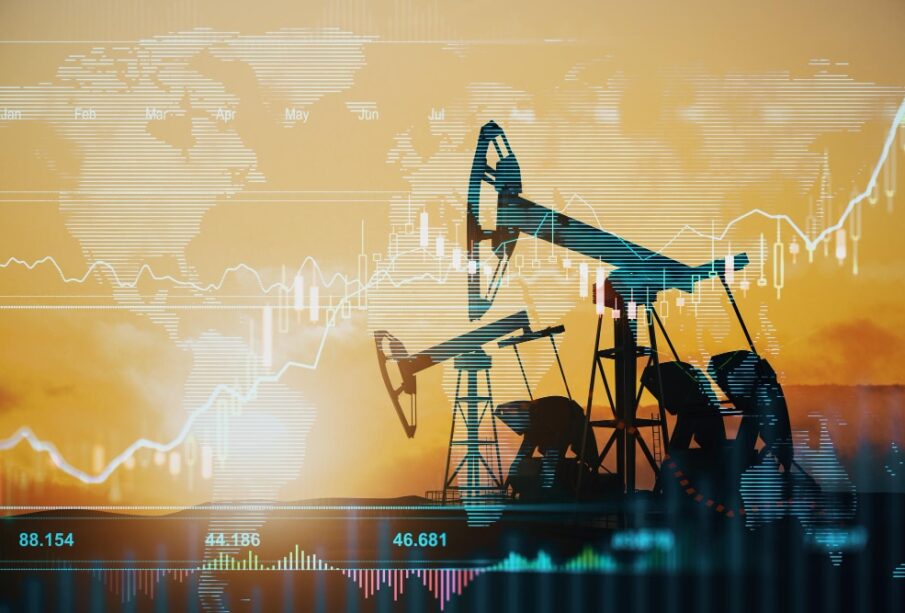
Commodities trading has long been a cornerstone of the global economy, driving economic development and influencing international markets. Whether it’s energy products like oil and gas, agricultural goods such as wheat and coffee, or metals like copper and gold, commodities are essential to trade. In emerging markets, however, commodities trading offers a particularly enticing opportunity for investors, with the potential for significant returns. Yet, this potential comes with increased risks, making it a high-stakes endeavor for those willing to dive in.
Why Emerging Markets Offer Unique Commodities Opportunities
Emerging markets, such as those in Africa, Latin America, and parts of Asia, are often resource-rich but remain underdeveloped in many aspects of economic infrastructure. This combination presents both challenges and opportunities for commodities traders.
Resource Abundance and Untapped Potential
Many emerging markets are home to vast natural resources that are either untapped or underexploited. Countries like Brazil, Indonesia, and Nigeria are well known for their wealth of natural resources, including energy, minerals, and agricultural products. These regions have the raw materials that are in high demand worldwide but are still developing the infrastructure and political stability to fully capitalize on these resources.
Growing Economies and Infrastructure Development
As emerging markets continue to grow and develop, their demand for commodities increases. Industrialization and urbanization drive demand for metals, energy, and agricultural products. For example, the rapid growth of cities in India and China creates a booming demand for construction materials like copper, iron, and steel. Additionally, the need for energy sources like oil and natural gas skyrockets as economies expand and modernize.
This economic growth means that commodities traders can profit from surges in demand. As infrastructure in these regions improves, the ability to transport and export these commodities also grows, making it easier for traders to access and capitalize on these markets.
Market Volatility and Opportunity for Higher Returns
Emerging markets are often characterized by greater volatility compared to developed economies. While this volatility introduces risk, it also opens the door to higher potential returns. For instance, political changes, supply chain disruptions, or environmental factors can lead to dramatic price fluctuations in commodities. Traders with a good understanding of these markets and their risks can profit significantly from price movements.
See more about commodities trading and investment strategies for further insights.
Key Commodities in Emerging Markets
Emerging markets are crucial to the global supply of several key commodities, making them attractive to traders seeking high-growth opportunities.
Energy Commodities (Oil, Natural Gas, Coal)
Energy commodities play a pivotal role in emerging markets, particularly in regions like the Middle East, Africa, and Latin America. Countries such as Nigeria, Venezuela, and Saudi Arabia have abundant oil reserves, while nations like Russia and Indonesia are major suppliers of coal and natural gas.
However, these commodities are often subject to geopolitical risks. Disruptions caused by political instability, conflicts, or sanctions can lead to rapid price swings.
Agricultural Commodities (Wheat, Coffee, Sugar, Soybeans)
Agriculture is another significant area for commodities trading in emerging markets. Brazil, Argentina, and Vietnam, among others, are major agricultural producers, supplying coffee, sugar, soybeans, and wheat to the global market. These countries are susceptible to factors such as weather conditions, political changes, and currency fluctuations, which can all impact crop yields and commodity prices.
Metals and Minerals (Copper, Gold, Iron Ore)
Emerging markets are also rich in metals and minerals, making them essential to commodities traders focusing on industrial and precious metals. Countries like Chile and Peru are leading producers of copper, while South Africa and Ghana are significant players in gold and platinum mining. The rising demand for industrial metals from fast-growing economies like China and India further boosts the relevance of these markets.
While the prices of these metals fluctuate based on global economic trends, traders often look to precious metals like gold as a hedge against inflation or currency devaluation in emerging economies.
Strategies for Mitigating Risk in Emerging Market Commodities
Given the inherent risks, commodities traders need effective strategies to navigate the complex landscape of emerging markets.
Diversification Across Commodities and Markets
Diversifying across various commodities and markets is one of the most effective strategies for mitigating risk. By spreading exposure across different sectors—such as energy, agriculture, and metals—traders can balance potential losses in one area with gains in another.
Additionally, investing in multiple emerging markets helps mitigate the risk of political or economic upheaval in any single country or region. Diversification is key to managing the inherent volatility of commodities trading in these markets.
Hedging Strategies and Use of Derivatives
Using derivatives like futures and options is another essential strategy for managing risk. These instruments allow traders to hedge against price fluctuations and protect against adverse market movements.
For example, oil traders can use futures contracts to lock in prices, reducing the risk of unexpected price drops. Similarly, options can provide a buffer against currency fluctuations, ensuring that traders can safeguard profits from unfavorable exchange rate movements.
Conclusion
Commodities trading in emerging markets is undeniably a high-risk, high-reward venture. The unique opportunities provided by resource-rich, fast-growing economies can offer substantial returns for traders with the expertise and risk tolerance to navigate this volatile space. By leveraging diversification, hedging strategies, and political risk analysis, traders can better manage the risks while capitalizing on the lucrative opportunities in commodities trading in these regions.